

Glaucoma
What is glaucoma?
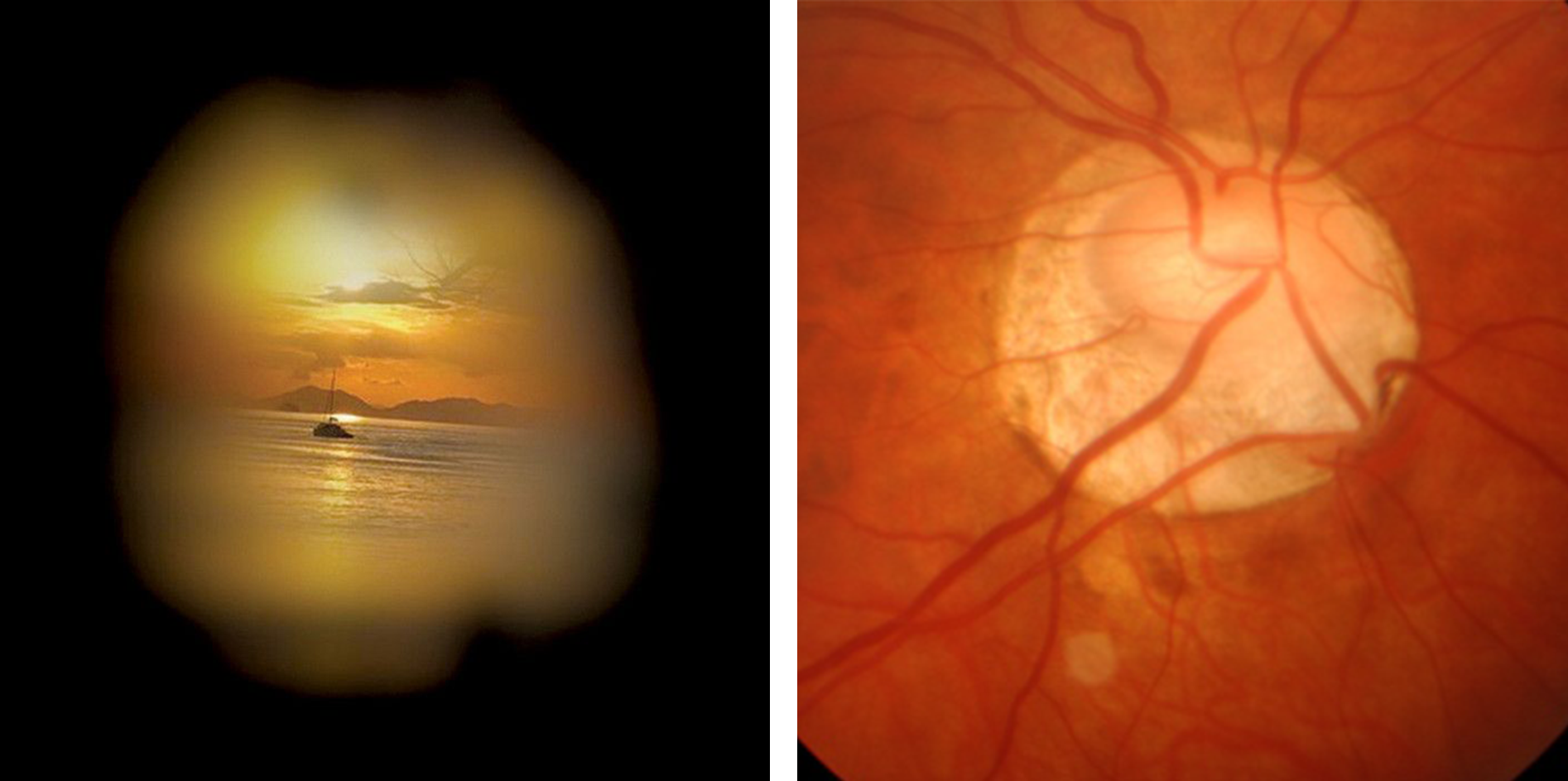
Glaucoma is a group of eye diseases that damage the optic nerve, usually linked to a build-up of pressure inside the eye. It causes gradual, irreversible loss of peripheral (side) vision and, if left unchecked, can progress to blindness.
It is sometimes called “the silent thief of sight” because early glaucoma typically has no symptoms. Because it affects peripheral vision first, many people do not notice anything until the more advanced stages, when blind spots grow larger and move toward the centre of vision. Vision that has already been lost cannot be restored — which is why early detection through regular eye checks is so important.
Types of glaucoma and who is at risk
Glaucoma becomes more common with age and tends to run in families. A more acute, aggressive form involving very high eye pressures — angle-closure glaucoma — is more common among people of Asian descent. Glaucoma can also develop in people with relatively normal eye pressures (normal-tension glaucoma), which can make diagnosis and treatment more challenging.
Studies suggest that having a first-degree relative with glaucoma can raise your risk by roughly four to nine times, so if glaucoma runs in your family you should have your eye pressures and peripheral vision checked regularly. Other recognised risk factors include:
- High myopia (short-sightedness) and high hyperopia (long-sightedness)
- Diabetes
- A previous eye injury
- Long-term use of steroid medication
- Migraines, low overnight blood pressure, hypertension and poor circulation
If you are managing your myopia, our myopia control programme works alongside long-term eye-health monitoring. People living with diabetes should also be screened for diabetic retinopathy at the same time.
How we test for glaucoma at EMME Visioncare
There is no single test for glaucoma, so we use a combination of checks at every comprehensive eye examination. We take images of the back of your eyes at each visit to monitor your optic nerves for changes over time, assess your eye pressure, and test your peripheral vision. Building this picture over multiple visits helps us spot subtle changes early, before they affect your everyday sight.
Glaucoma treatment and co-management
If glaucoma is suspected, we will refer you to an ophthalmologist (eye specialist) for further assessment. Glaucoma is most commonly treated with eye drops to lower eye pressure, and sometimes with laser or surgical methods. Treatment is aimed at slowing or stopping the progression of the disease and preserving the sight you have. Our optometrists can co-manage your glaucoma in partnership with your ophthalmologist, sharing monitoring results between visits.
Frequently asked questions
Can glaucoma be cured?
There is no cure for glaucoma, and vision already lost cannot be recovered. However, treatment can slow or halt further damage, which is why early detection and ongoing monitoring make such a difference.
Does glaucoma have warning signs?
Most forms of glaucoma have no early symptoms, so regular eye checks are the only reliable way to detect it. The exception is acute angle-closure glaucoma, which can cause sudden eye pain, redness, blurred vision, halos around lights and nausea — this needs urgent medical attention.
How often should I be tested for glaucoma?
For most adults, glaucoma screening is part of a routine comprehensive eye exam. If you have a family history or other risk factors, we may recommend more frequent monitoring.
Book a glaucoma check in Singapore
Catching glaucoma early protects the vision you have. Book a comprehensive eye check with our optometrists at EMME Visioncare @ The Cathay, located beside Dhoby Ghaut MRT, or at Jelita Mall. Contact us to arrange an appointment.