

Retinal Detachment
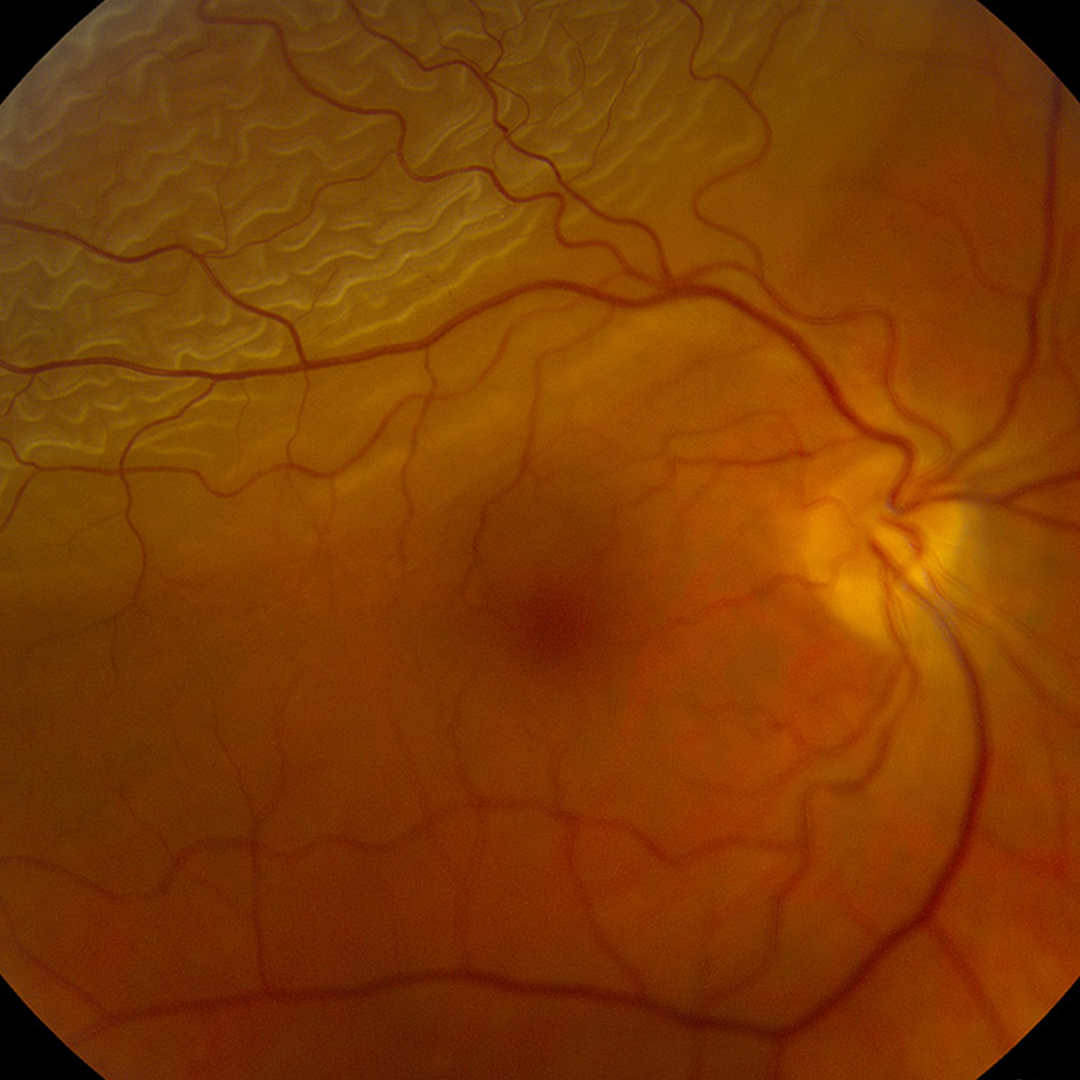
Retinal Detachment
Retinal detachment is an eye emergency in which the retina — the thin, light-sensitive layer lining the back of the eye — lifts or pulls away from the supporting tissue beneath it. Once detached, that part of the retina can no longer process light, causing sudden loss of vision in the affected area. The sooner it is treated, the better the chance of preserving sight, so any sudden change in vision should be treated as urgent.
What causes retinal detachment?
Retinal detachment can have several causes and risk factors, including ageing, a previous eye injury or trauma, diabetes, prior eye surgery, a family history of the condition, and a high degree of short-sightedness (high myopia).
In a highly short-sighted eye, the eyeball is physically elongated and stretched compared with a normal eye. This causes the retina and the layers around it to be thinner than usual and more prone to tearing. Studies of myopia and retinal detachment show the risk rises steeply with the degree of short-sightedness — research has reported roughly 9 times the risk of someone with normal vision at around –3.00 to –6.00 dioptres, climbing to more than 20 times the risk beyond –9.00 dioptres. For this reason, we generally advise people with high myopia to take extra care with high-impact activities such as contact sports, skydiving and bungee jumping.
For children with progressive short-sightedness, our myopia control programme aims to slow myopia progression, helping to reduce the chance of developing high myopia and the lifetime risks that come with it, including retinal detachment.
Warning signs and symptoms
Retinal detachment is usually painless, and symptoms can appear suddenly. See an eye care practitioner immediately if you notice any of the following:
- A sudden increase in floaters — grey or black specks, spots or cobweb-like lines drifting across your vision.
- Brief flashes of light, often described as an arc or a flash of lightning, usually in your side vision.
- A shadow, curtain or veil moving across part of your field of vision.
- Sudden blurring or loss of vision in one eye.
If you experience any of these symptoms — particularly if you are highly short-sighted or have a family history of retinal detachment — seek attention from an eye care practitioner without delay. When detected early, the retina can often be reattached through surgery performed by a retinal specialist; left untreated, a detachment can lead to permanent vision loss.
Not sure whether what you are seeing is serious? A comprehensive eye examination lets us assess the health of your retina and pick up early warning signs. Book an appointment with us for an eye check.