

Cataracts
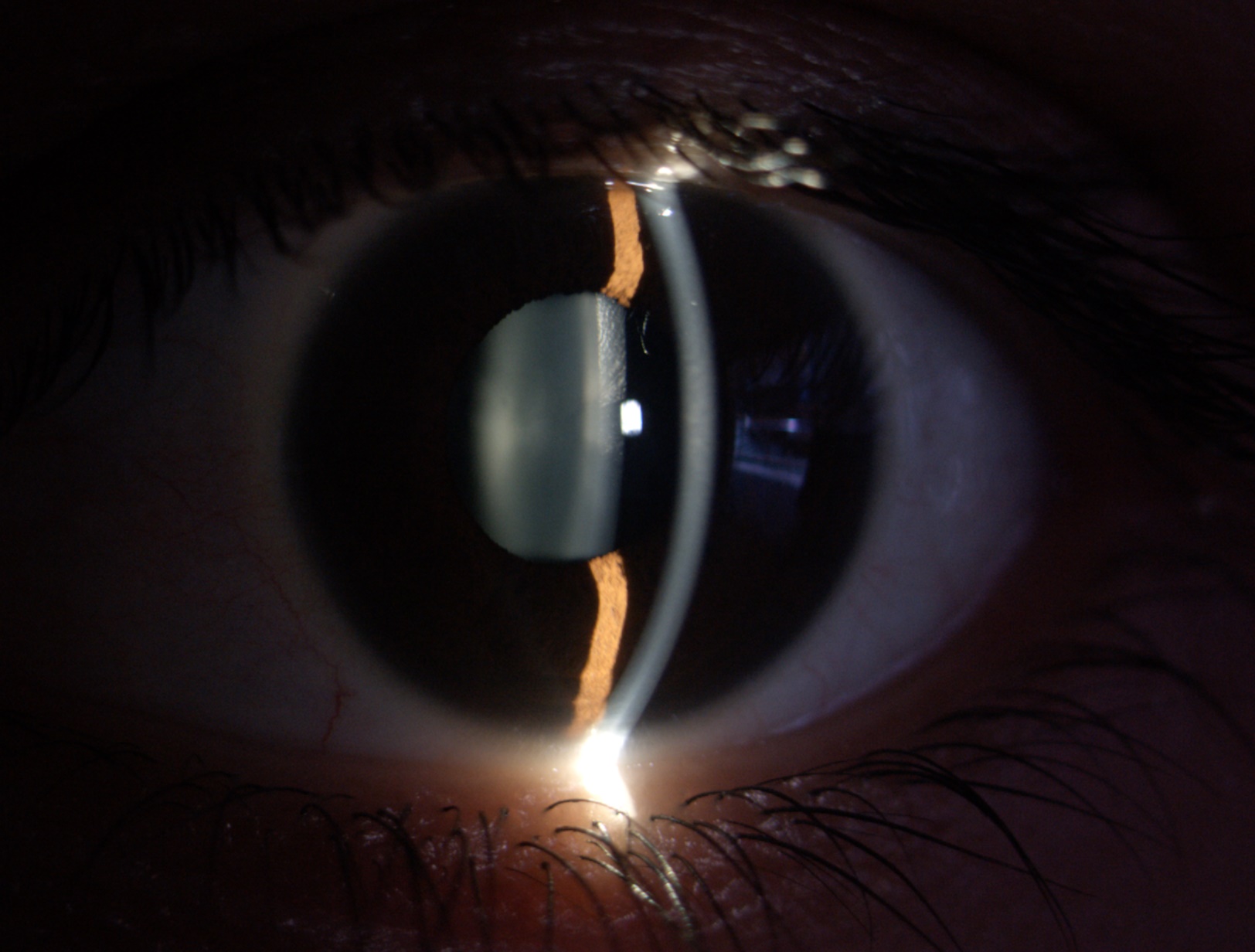
A cataract is a clouding or yellowing of the eye's natural crystalline lens. Most cataracts are age-related and develop gradually, making vision increasingly blurry — rather like looking through a fogged-up window. Because they form slowly, many people don't notice the change until it begins to affect everyday tasks such as reading, night driving or recognising faces.
What causes cataracts?
Cataracts are a common part of ageing, and the likelihood of developing them rises as we get older. Less commonly, a cataract can be present at birth, or appear earlier than usual following an injury to the eye. Several factors are known to accelerate their development:
- Ageing (the most common cause)
- Diabetes
- Prolonged ultraviolet (UV) light exposure
- Long-term use of certain medications, such as corticosteroids
- Previous eye injury or trauma
- Smoking
Common symptoms of cataracts
- Blurry, hazy or dimmed vision
- Increased sensitivity to glare from sunlight or headlights
- Halos appearing around lights, especially at night
- Colours looking faded or yellowed
- Frequent changes to your glasses prescription
How we detect and monitor cataracts
Our optometrists can detect and assess cataracts as part of a comprehensive eye examination. Using our anterior eye camera, we capture detailed images of the lens so we can monitor any changes over time. We also track your vision and prescription, and we'll advise you when the appropriate time has come to consider further intervention.
How cataracts are treated
The definitive treatment for a cataract is surgery, in which the eye's clouded natural lens is replaced with a clear artificial lens (an intraocular lens). Cataract surgery is a day procedure performed by an ophthalmologist (eye surgeon). When the time is right, we can refer you to an ophthalmologist at a private eye clinic or at a public (restructured) hospital, depending on your preference and circumstances. In the earlier stages, an updated glasses prescription may help you manage day to day while we continue monitoring.
Frequently asked questions
Can cataracts be treated without surgery?
There is currently no medication or eye drop proven to reverse a cataract. Surgery is the only definitive treatment, though an updated prescription can help maintain comfortable vision in the early stages.
How quickly do cataracts progress?
Most age-related cataracts develop slowly over months to years, and the rate varies from person to person. Regular monitoring helps us track changes and plan intervention at the right time.
When is cataract surgery needed?
Surgery is generally considered once the cataract begins to interfere with daily activities such as reading, driving or work. The decision is made together with your ophthalmologist.
Book a cataract assessment in Singapore
If your vision has become blurry or hazy, our optometrists can assess your lenses and advise on the next steps. Book an appointment at our clinic:
EMME Visioncare Cathay Mall
2 Handy Road, #02-13 The Cathay Mall, Singapore 229233
Beside Dhoby Ghaut MRT
Tel: (65) 8690 3598
Email: cathay@emmevisioncare.com
Open 11:00 AM – 9:00 PM daily
EMME Visioncare Jelita Mall
293 Holland Road, #02-17 Jelita Mall, Singapore 278628
Tel: (65) 9383 8569
Email: jelita@emmevisioncare.com
Open daily 10:00 AM - 8:00 PM